Conversation
ONE TAKE, NO HIDING
Director Sofia Almeida discusses the psychological weight of continuous takes and why hiding behind the edit is a disservice to the craft.
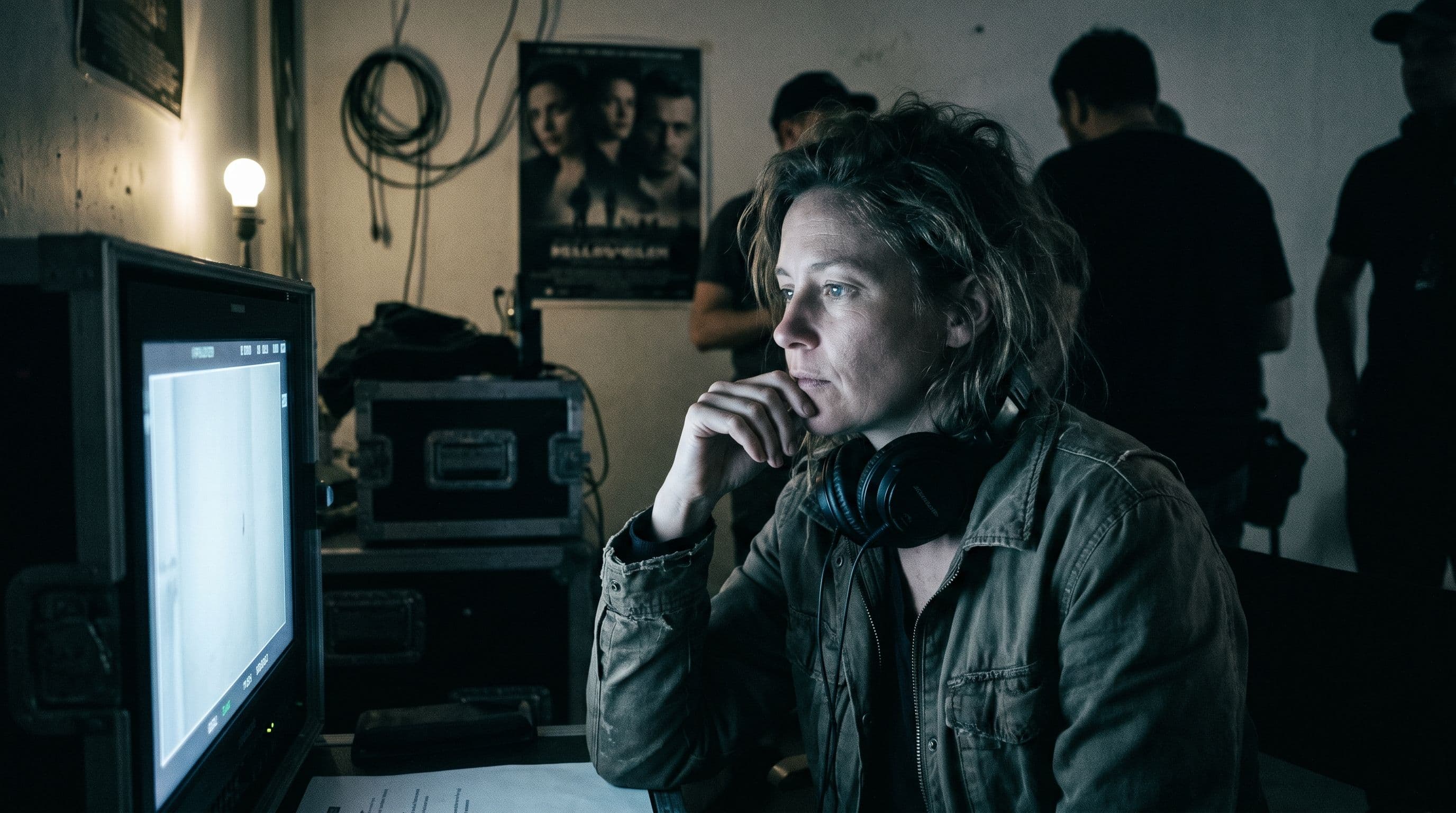
An interview with L'Ombre Director, Sofia Almeida.
L'Ombre: In projects like Uber — Chez Soi, you insisted on shooting chronologically and avoiding quick cuts. Why take the hard route?
Sofia Almeida: Because the edit room is a safety net. When you know you can cut away to a close-up or a B-roll shot to hide a mistake, the performance gets lazy. The crew gets lazy. When you commit to a long, unbroken take, there is nowhere to hide.
L'Ombre: Does that create tension on set?
Sofia Almeida: Absolutely. And that tension translates directly to the screen.
"If the crew isn't holding their breath during the take, the audience won't either."
L'Ombre: What happens when a mistake occurs in minute three of a four-minute take?